
Intercultural competence in nursing and medicine
Cultural diversity has long been part of everyday life in hospitals
A conversation with Walter Heinrich, Director of the AMEOS Institute South, about intercultural competence, the integration of international professionals, and the future of nursing education.
In our interview series “Intercultural Dialogue,” we examine how cultural diversity shapes our everyday working lives—this time in the healthcare sector.
Anna Weidlich talks to Walter Heinrich, head of the AMEOS Institute South in Neuburg an der Donau, about the opportunities and challenges of intercultural cooperation in nursing and medicine following intercultural training at AMEOS.
The conversation makes it clear: the care sector is a prime example of the shift towards internationally diverse teams. How can integration succeed in an environment characterized by linguistic diversity, different understandings of roles, and sensitive situations? And what role does intercultural competence play in training the skilled workers of tomorrow?

Overview of findings
✔ Nursing and medicine today are strongly influenced by cultural diversity and international teams.
✔ Different language skills, understandings of roles, and images of care present clinics with new challenges.
✔ At the same time, diversity opens up opportunities for better patient communication and intercultural understanding.
✔ Successful integration and training require targeted support, intercultural competence and appropriate training concepts.
Reading time: 5 minutes
International teams shape everyday nursing care
How do you currently experience cultural diversity in the care sector?
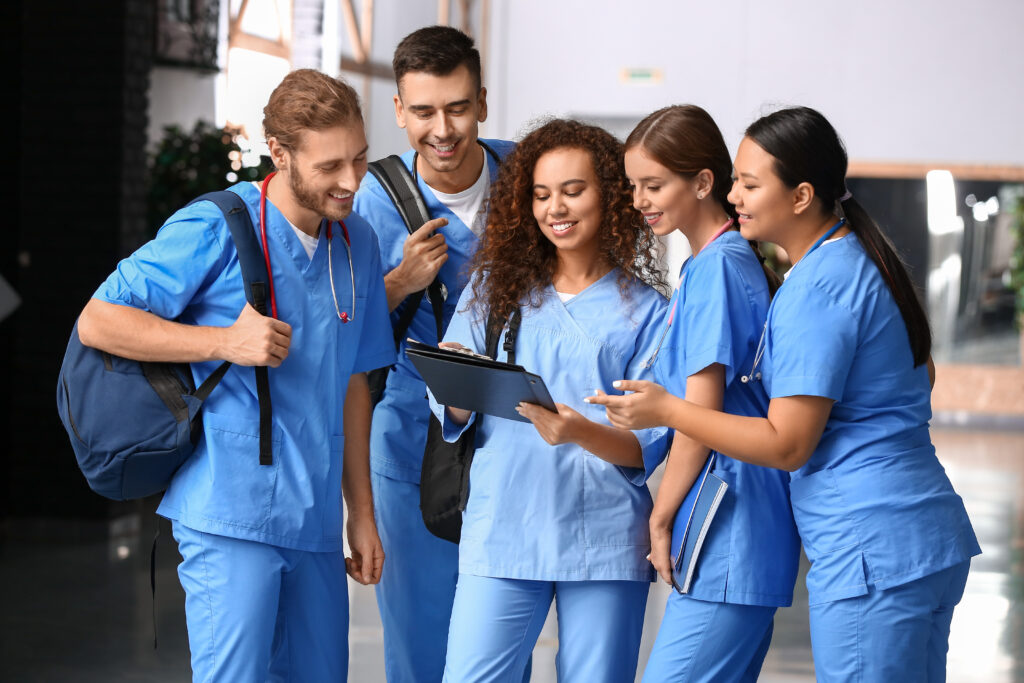
Walter Heinrich: Cultural diversity in nursing care has been increasing significantly for years. Employees from over 40 different countries now work at AMEOS clinics, and at the AMEOS Institute nursing school alone, there are regularly 13 to 14 countries of origin represented. Diversity in the nursing and medical fields is growing particularly strongly, while it has been less pronounced in administration and therapeutic services to date.
Twenty to thirty years ago, international colleagues came mainly from Eastern European countries—today, the team is international, with specialists from almost every continent.Walter Heinrich: Cultural diversity in nursing care has been increasing significantly for years. Employees from over 40 different countries now work at AMEOS clinics, and at the AMEOS Institute nursing school alone, there are regularly 13 to 14 countries of origin represented. Diversity in the nursing and medical fields is growing particularly strongly, while it has been less pronounced in administration and therapeutic services to date.
Twenty to thirty years ago, international colleagues came mainly from Eastern European countries—today, the team is international, with specialists from almost every continent.

To what extent has the composition of nursing teams changed in recent years?
Walter Heinrich: The teams have become much more diverse. In the past, many nursing staff came from Eastern Europe, but now the team includes professionals from Germany, the Philippines, Indonesia, African countries, and Ukraine. In addition to their different nationalities, the employees also have different religious backgrounds. This can lead to practical challenges in certain areas—for example, when it comes to
dress codes or hygiene requirements.
This diversity also brings new issues into everyday working life, such as different views on clothing or hygiene regulations. For example, some employees are unaccustomed to having their forearms uncovered, which is required in clinics for hygienic reasons. Ultimately, however, such issues affect everyone—similar to the wearing of jewelry or certain items of clothing. This requires clear guidelines, but also mutual understanding and respectful interaction.
What opportunities and challenges do you see in this development?
Walter Heinrich: Cultural diversity offers great opportunities: Many patients at AMEOS clinics come from different countries themselves, and the multilingual staff often makes it easier to overcome communication barriers. Understanding of different behaviors or cultural backgrounds also grows when the team is open to exchange—which, however, is not always a given.
The issue of language remains particularly challenging. Many international nursing staff or trainees start out with insufficient German language skills. We now pay closer attention to ensuring that at least language level B2 is achieved before someone enters the profession. In addition, the tasks and roles of nursing vary around the world: in many countries, relatives take on basic care tasks such as
personal hygiene or feeding, while nursing staff are more involved in medical care and report directly to the doctor – for example, they administer IVs and accesses independently. In Germany, on the other hand, nursing also includes a high proportion of basic care. These differences often lead to adjustment difficulties when professionals with a different understanding of the profession start working here.

Successful integration of international professionals begins with good preparation
What do you recommend to clinics that want to start integrating international specialists?
Walter Heinrich: Hospitals should invest time and resources in integration from the outset. Especially when employees are recruited directly from abroad, good preparation is crucial—both linguistically and culturally.
It is important to offer new colleagues structured support during their first few weeks: training in language, culture, and the German approach to nursing before they are permanently assigned to the wards. Unfortunately, this time is often not factored into the daily routine at clinics, even though it would be crucial for successful integration in the long term.
Nursing education in transition: Intercultural competence is becoming indispensable
What role does intercultural competence currently play in nursing education?
Walter Heinrich: A very large one. In many classes, 30 to 60 percent of trainees now come from other countries. Their linguistic and cultural backgrounds vary greatly, and training needs to address this more effectively. Intercultural care is already part of the curriculum, but its implementation depends heavily on the individual schools. Further training for teachers would be very helpful here – especially in order to deal with different language levels in the classroom and avoid overburdening or underchallenging students.

In addition, more knowledge about cultural backgrounds is needed: How do you deal with different communication styles? How does someone react to criticism or in a greeting situation? Such topics help to avoid misunderstandings and make teaching and practical training more interculturally sensitive. More training opportunities for teachers in nursing institutions, for example, funded by the ministry, would be helpful here—for example, on dealing with different language levels or on teaching methods that better cater to heterogeneous groups.
Intercultural training for nursing and education
Intercultural competence does not come solely from experience, but from targeted reflection, exchange, and practical training. InterKult Training supports clinics, nursing schools, and educational institutions with customized intercultural workshops—including for teachers in nursing education.
We have already conducted a successful training course for the AMEOS Institute, which helped teachers to deal confidently and competently with heterogeneous classes, different language levels, and culturally influenced communication styles.
Our training courses combine practical relevance with intercultural expertise and strengthen cooperation, understanding, and confidence in everyday training and clinical practice.
Want to learn more?
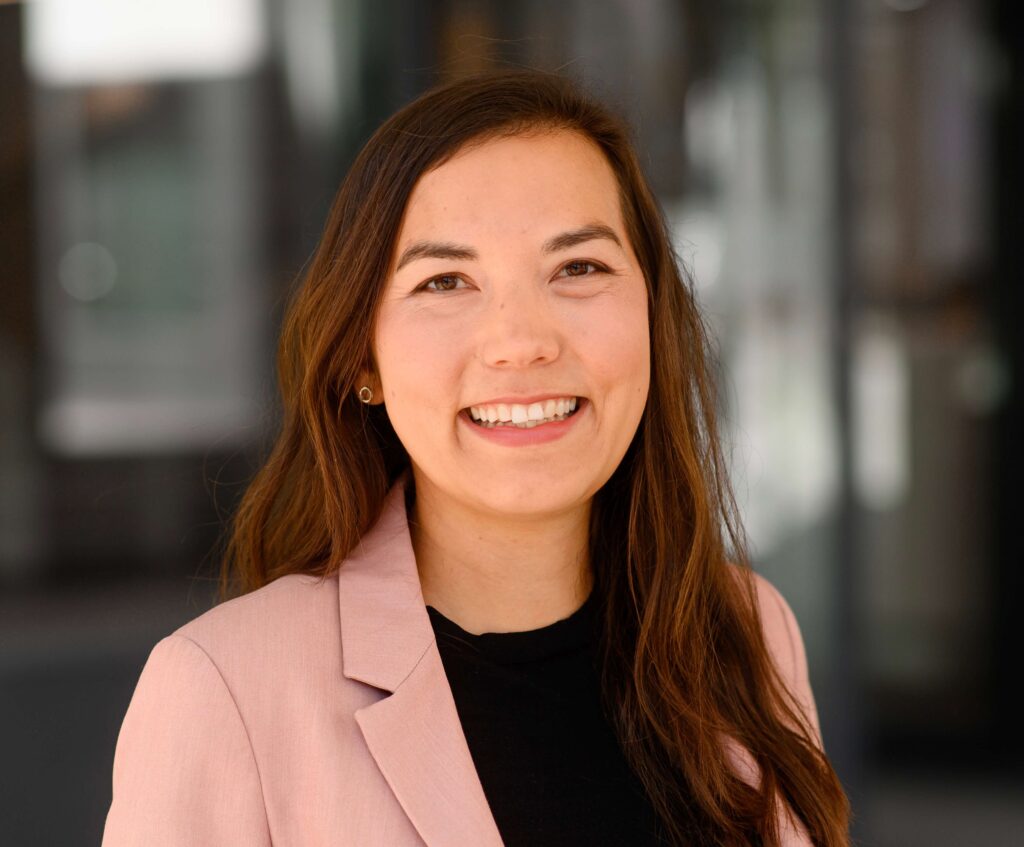
Anna Weidlich
Expert for intercultural communication and cooperation (M.A.)
Counselling offer
We would be happy to advise you on intercultural training opportunities in your company. Simply send us a message.
More about our intercultural seminars



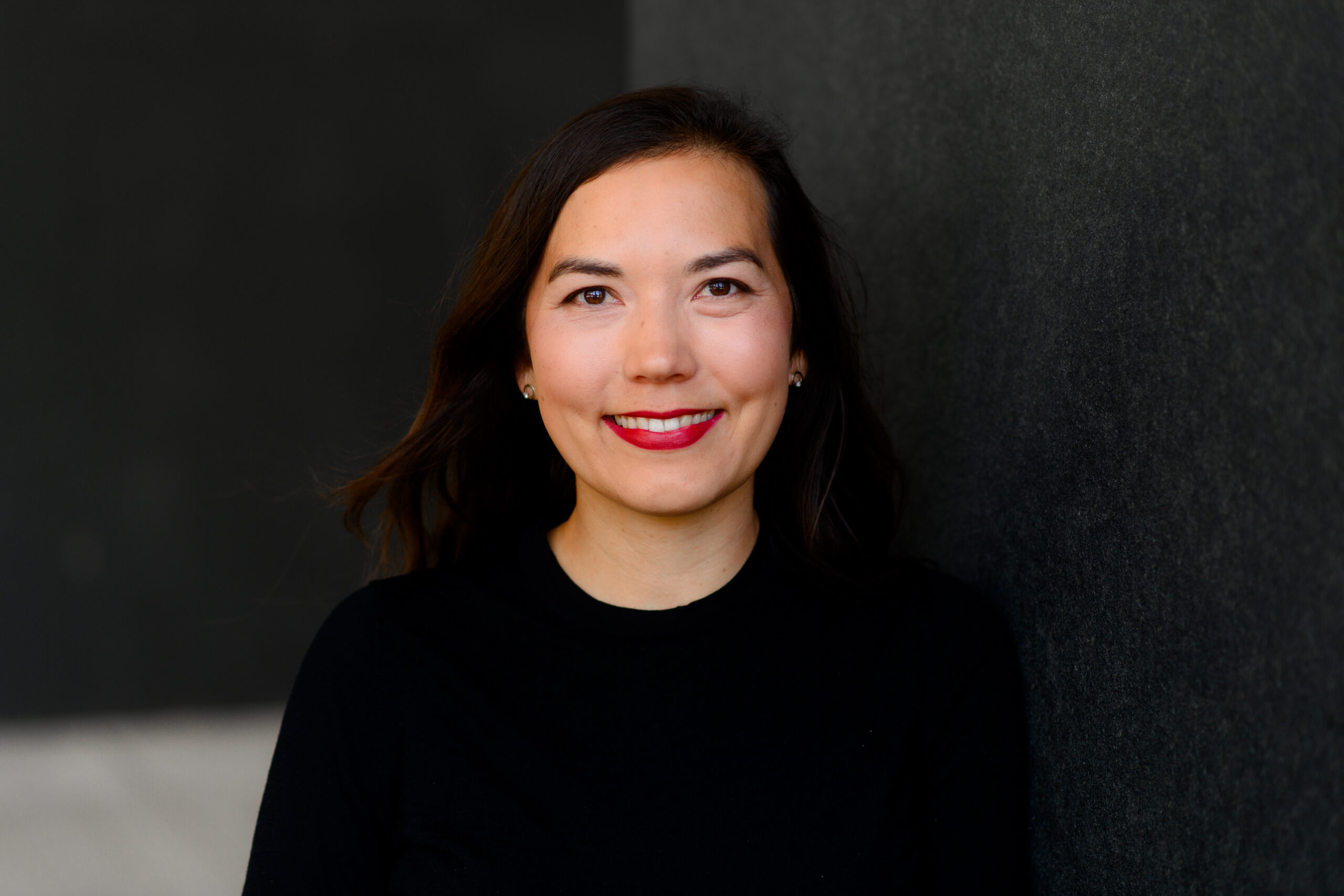
Anna Weidlich
Expert for intercultural communication and cooperation (M.A.)
Anna Weidlich, founder of Interkult Training, is an experienced expert in intercultural communication and cooperation with international roots in Russia, Korea and Germany. With multilingual expertise and extensive experience abroad, she supports companies in international cooperation. She acquired her in-depth expertise through a three-year Master’s programme at Munich University of Applied Sciences.